

Key Features
Native Multi-IM Platform Support
Seamless integration with Feishu/Lark, Dingtalk, WeCom, and Slack
One-click Creation
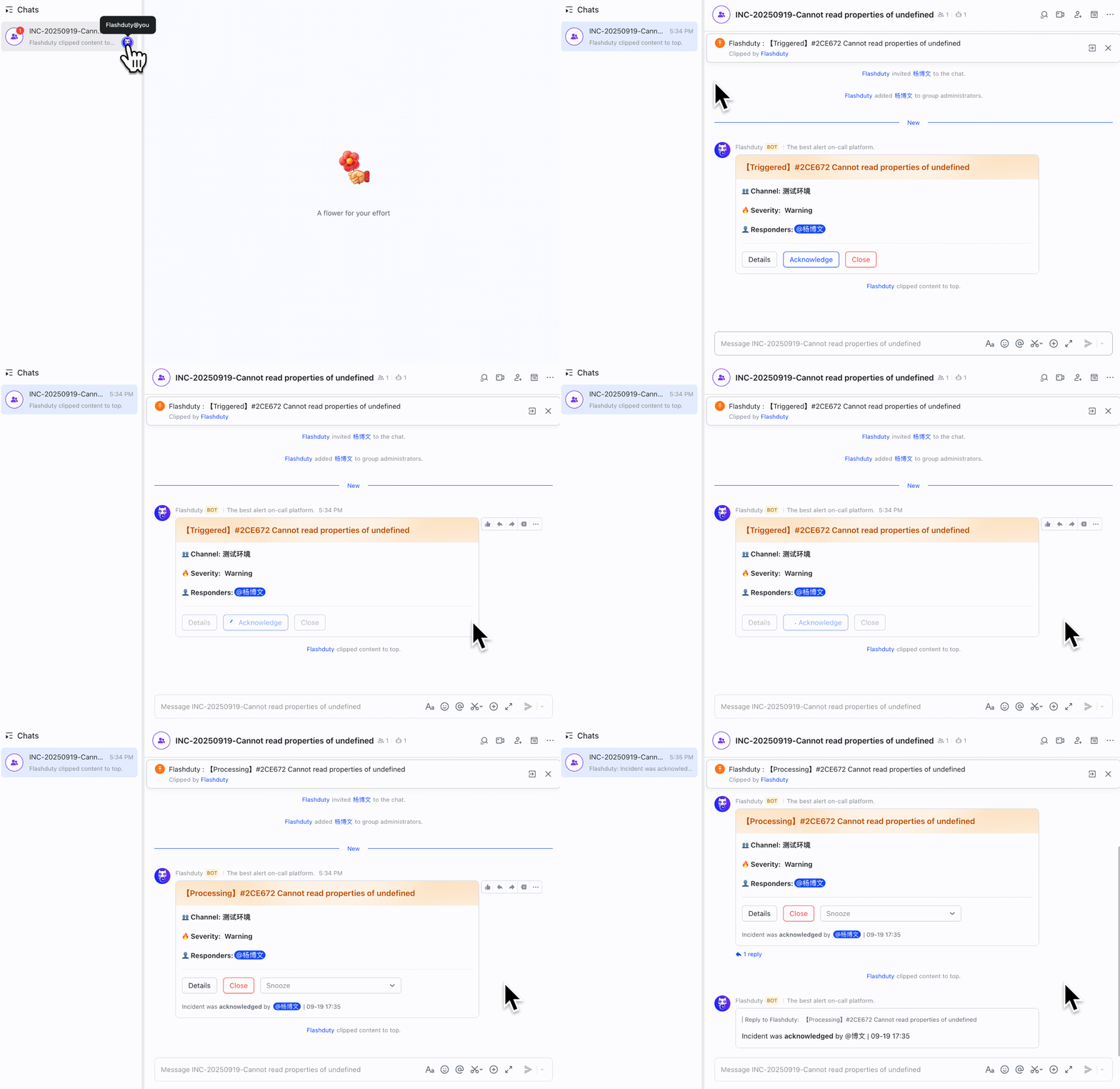
Quickly create dedicated war rooms for active incidents with real-time incident status sync in group chats
Automatic Member Sync
When incident responders change, new members are automatically invited to join the war room
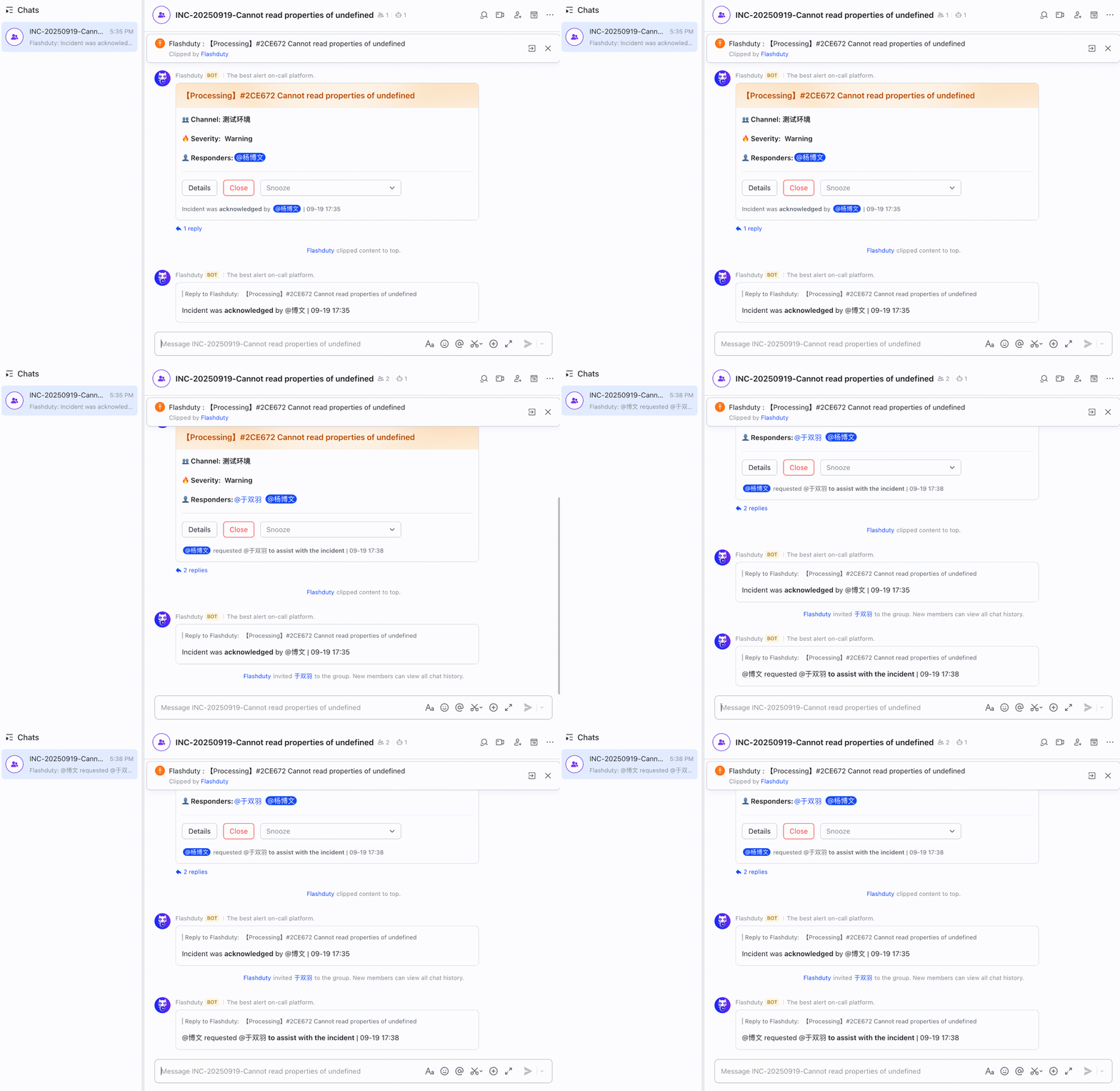
Bidirectional Status Sync
Real-time sync of incident status between war room and Flashduty platform
Operation Audit
All war room related operations are automatically recorded in the incident timeline for review and audit
Quick Start
Configure Integration
Go to On-call → Integration Center → Integration List → Instant Messaging, connect your IM application as needed, and follow the guide to enable war room functionality.
Feishu/Lark Integration
Connect Feishu/Lark application
Dingtalk Integration
Connect Dingtalk application
WeCom Integration
Connect WeCom application
Slack Integration
Connect Slack application
Create War Room
On any active incident’s details page, click Create War Room in the upper right corner.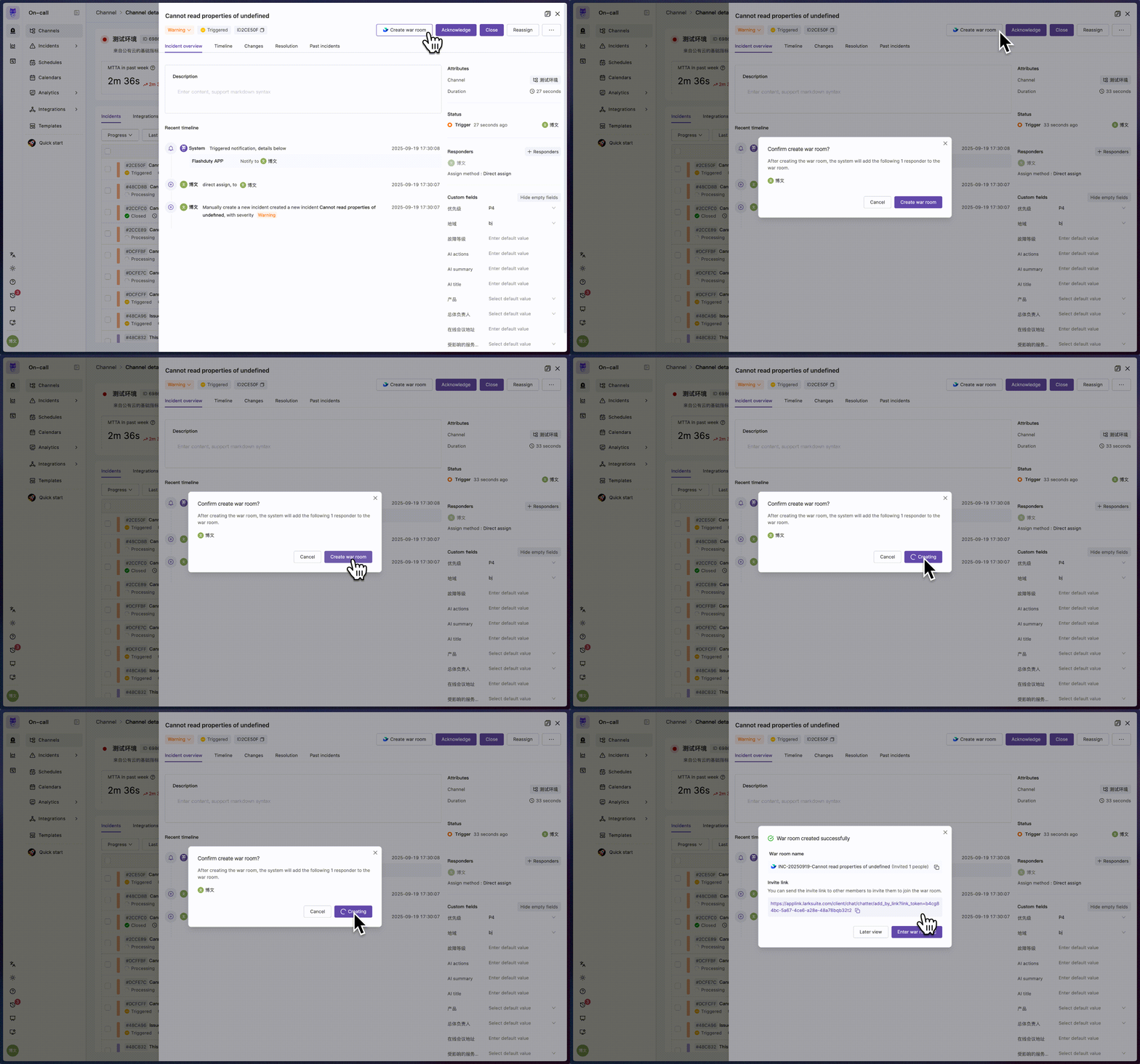
- Console
- IM App
Collaborative Handling
When incident responders change, relevant personnel are automatically synced to the war room. Other members can click View War Room on the incident details page to quickly join the conversation.In the war room, members can acknowledge, close, and snooze incidents, and receive incident status updates from Flashduty On-call.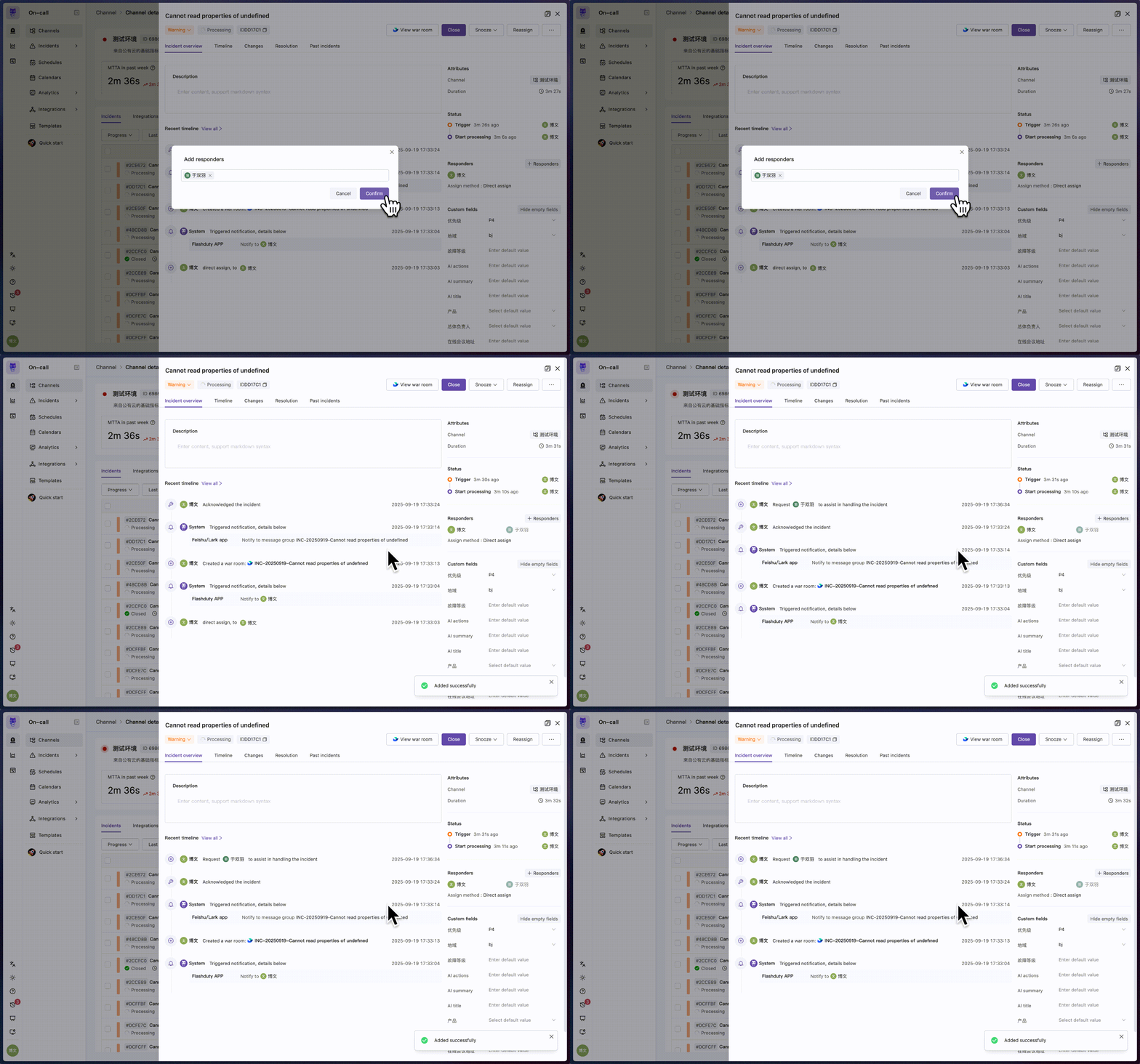
- Console Operation
- IM App

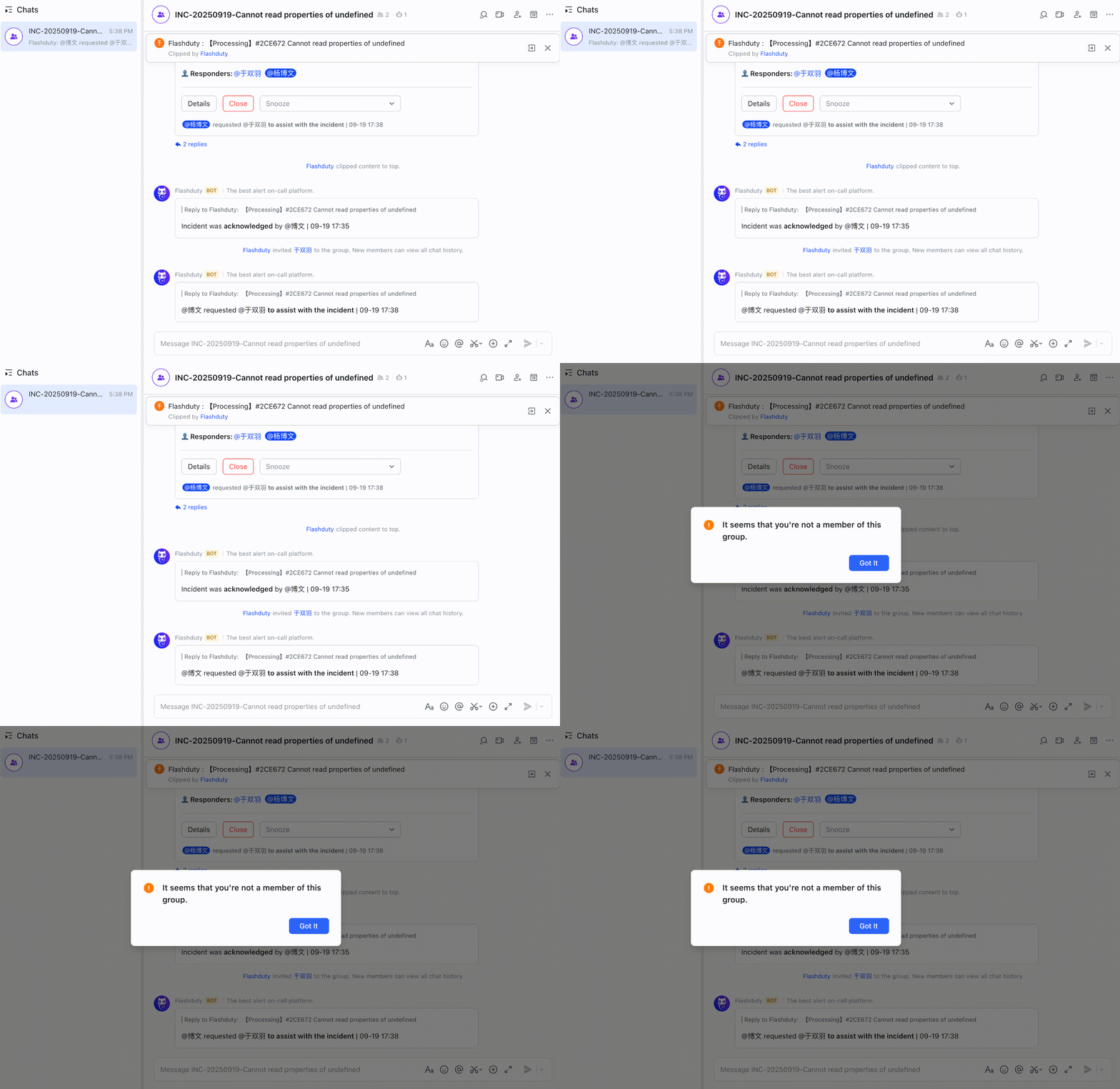
By deeply integrating emergency processes with instant messaging tools, Flashduty War Room brings you an automated, visual, and traceable incident collaboration experience.
FAQ
How does Flashduty implement war room management for incidents?
How does Flashduty implement war room management for incidents?
Flashduty implements war room functionality by integrating applications on IM platforms and calling related APIs for group chats, messages, and user information.
When creating or connecting related applications, you need to manually grant necessary permissions to ensure operational security.
Which IM platforms does Flashduty War Room support?
Which IM platforms does Flashduty War Room support?
Currently supported IM platforms:
| Platform | Status |
|---|---|
| Feishu/Lark | ✅ Supported |
| Dingtalk | ✅ Supported |
| WeCom | ✅ Supported |
| Slack | ✅ Supported |
Why is my war room functionality not working as expected?
Why is my war room functionality not working as expected?
War room is an advanced feature in IM integration. Please ensure you have completed all necessary configuration steps according to the official documentation. You can find related guides on the integration configuration page or in Flashduty Docs → Integration Guide.To ensure Flashduty can successfully invite members, it needs to obtain their user ID on the IM platform. Please ensure relevant personnel have completed at least one of the following:
Configure Notification Information (Recommended)
On the Flashduty On-call Personal Center → Basic Information page, fill in Notification Email and Notification Phone.
Use One-click Link Feature
If your IM integration supports it, use the One-click Link feature on the Link Users page. Flashduty On-call will use the notification email and phone configured in the user’s personal center to call application permissions for user information linking.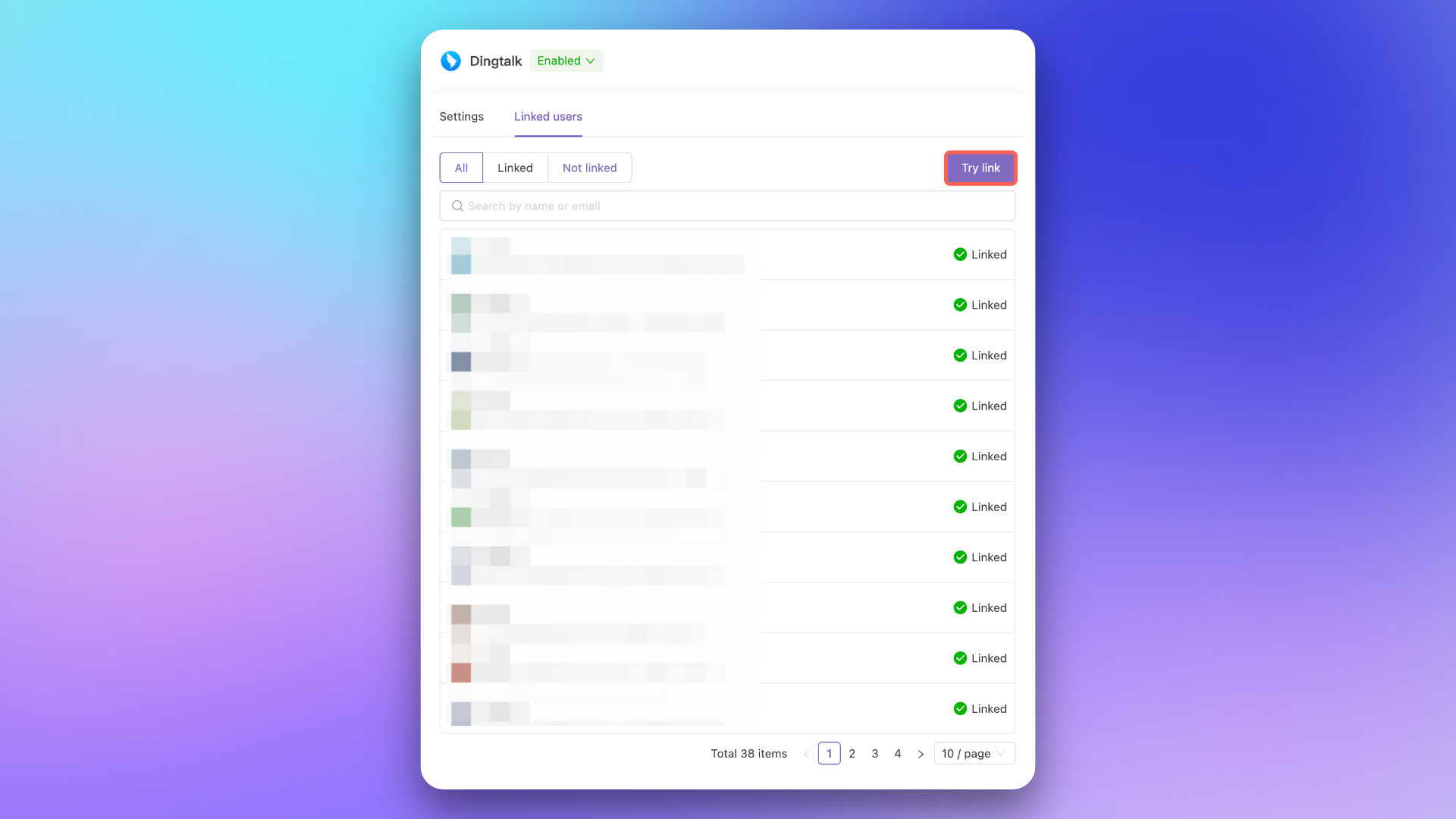
AI SRE
Based on War Room functionality and existing Intelligent Grouping and AI Summary capabilities, Flashduty On-call will gradually roll out AI SRE features to provide more comprehensive and intelligent support for incident handling.AI Assistant in War Room
Intelligent Q&A
Users can directly
@flashduty to ask questions, and AI will quickly parse intent and return relevant information or action suggestionsReal-time Analysis
AI assistant will analyze in real-time based on incident status, monitoring metrics, and historical data to provide detailed impact assessments
Knowledge Push
By analyzing team discussions, proactively extract summaries from the knowledge base and push relevant handling guides to assist root cause identification
Incident Review
Automatically summarize incident lifecycle using war room chat history, extract key decision points and improvement suggestions, and generate structured review documents
To build a more comprehensive context of the incident’s full lifecycle, AI SRE and AI-generated post-mortem need to read War Room chat history or receive IM bot messages. Make sure your IM integration has the required permissions for the corresponding platform.
IM platform prerequisites
Each IM platform has different capability requirements for War Room and AI SRE. Before enabling the feature, complete the required permissions, bot capabilities, and callback configuration in the corresponding integration guide.| Platform | Key prerequisites |
|---|---|
| Feishu/Lark | Grant message, chat, group history, resource, and CardKit permissions, and subscribe to message events and card callbacks |
| Dingtalk | Grant group management, bot messaging, group information, and phone-number lookup permissions, and configure the app bot, group bot, and group template |
| WeCom | Use a custom app for War Room, and make sure app visibility, basic API permissions, contact authorization, and smart bot credentials are configured |
| Slack | Complete Slack authorization or re-authorization so the app has message sending, event receiving, channel history, private-channel management, user info, reaction, and file-read permissions |